

By : Andy Singh

Latest Updated On June 17, 2026

Andy Singh
Andy Singh Latest Updated On June 17, 2026

Andy Singh is the founder of Ecospark, a trusted name in residential and commercial cleaning in Auckland. With a strong qualification in business management and years of experience in property maintenance, Andy has grown the company into a brand recognized for its comprehensive cleaning and lawn care packages.

Flooding or any sort of water damage can be detrimental to any carpet. Due to heavy rainfall or natural disasters like floods, all the excess water can quickly be absorbed in the carpet fibres and create long-term problems if it is not fixed as soon as possible. Wet carpets not only cause a bad smell or appearance but can also become a major reason for mould and bacteria growth. 

All the property owners in Auckland who experience heavy rainfall and natural disasters can observe serious water damage to their carpets. This is exactly why owners need to know how to quickly restore their carpets from serious water damage and reduce all the costs. 

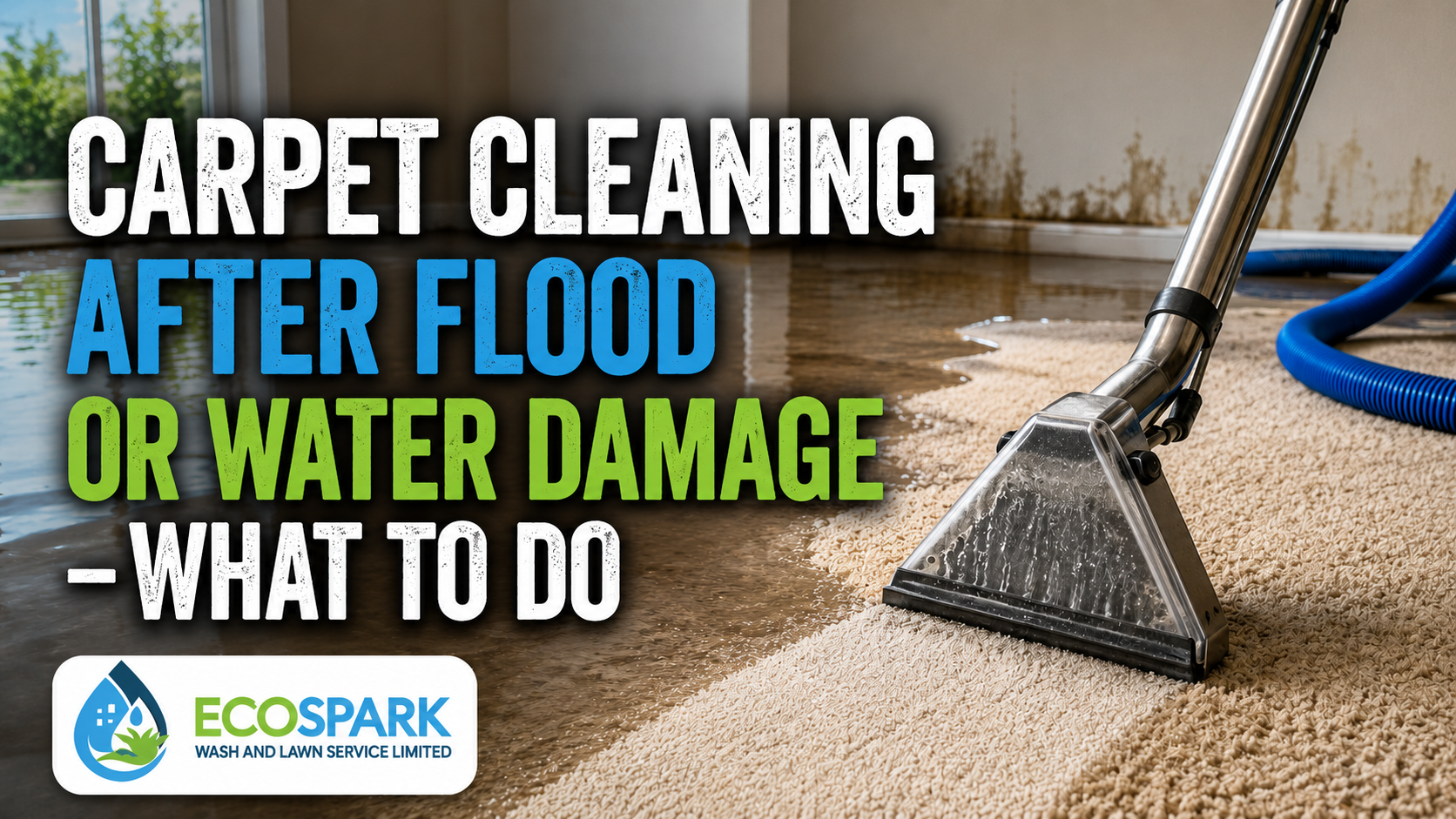
To save costs and prevent any further damage, this blog about Carpet Cleaning After Flood Or Water Damage – What to Do will help you understand and learn all the essential steps that are required to restore your carpets to their original condition.

However, professional assistance regarding carpet cleaning also stands out as one of the most reliable ways anyone can opt for. Therefore, EcoSpark Auckland provides reliable carpet cleaning and restoration services that are especially designed to improve the carpet’s health and restore it safely after water damage.

Cleaning Services for Water-Damaged Carpets

Why Immediate Action Is Important After Water Damage?

Immediate action is highly important when it comes to restoring the water-damaged carpets. As time plays an important role in this process, the longer you let water stay within the carpet fibres, the risk of permanent damage and mould growth rises.

Potential problems that occur if immediate action is delayed:

  • Mould and mildew growth
  • Carpet fibre deterioration
  • Structural damage to the flooring
  • Unpleasant musty odours
  • Bacterial contamination
  • Increased restoration costs
  • Reduced indoor air quality

In many possible cases of water-damaged carpets, the mould starts to develop within 24 hours, so taking immediate action is highly important.

Step 1: Ensure Safety First

Before starting the cleanup of carpets, always make sure to prioritise your safety. In case of floods, you also need to consider the following precautions: 

  • Turn off electricity in affected areas if safe to do so
  • Avoid contact with contaminated floodwater
  • Wear protective gloves and footwear
  • Keep children and pets away from affected areas
  • Check for structural damage before entering rooms

If the carpets are damaged by any sewage or contaminated water, then professional restoration services should be contacted immediately. 

Step 2: Identify the Source of Water Damage

Understand and make sure to identify the source of water damage, as it is important to determine the appropriate cleaning and restoration that will be required. Some of the common sources for water-damaged carpets can be: 

1) Burst Pipes

Broken plumbing can cause bursting pipes that can put significant amounts of contaminated water into the carpets. 

2) Roof Leaks

Roof leaks during heavy rainfall will cause all of the water to break inside the property and damage the carpets. 

3) Appliance Failures

In case of any appliance failures, such as washing machines, dishwashers, and hot water systems, water damage can happen to the carpets. 

4) Storm Flooding

Due to torrential weather, sometimes storms can cause water to seep inside the properties, which can cause carpets to absorb all of the water.

5) Sewage Backups

Sewage backups are one of the most toxic and serious forms of water damage in carpets, as it can cause some serious health issues due to contamination.

There are various ways to determine whether the carpets can be restored or need a complete replacement. However, choosing a professional carpet cleaning service can mostly solve all the issues and concerns listed above with safety and effectiveness.

Step 3: Remove Excess Water Immediately

The next step in cleaning the carpets is to extract all the water from the carpet. To do this, there are various methods used by professionals such as:

  • Using wet vacuums
  • Employing water extraction machines
  • Mopping standing water
  • Using absorbent towels for small areas

Professional carpet cleaners carry proper equipment that can remove all the water and moisture effectively from the carpets and also significantly reduce the drying time.

Step 4: Move Furniture and Belongings

Wet carpets inside properties can also transfer the moisture to wooden furniture and your personal belongings, which can cause problems later on. Therefore, some items that you need to keep away from 

  • Chairs
  • Tables
  • Sofas
  • Rugs
  • Electronics
  • Decorative items

In case any furniture cannot be removed, place some safe and protective barriers under the legs to minimise damage.

Step 5: Promote Air Circulation

Drying the carpet can significantly improve the air quality inside any property. Therefore, it is highly important to perform after water extraction. Moreover, clean carpets increase air quality:

  • Opening windows where the weather permits
  • Using fans
  • Running air movers
  • Operating dehumidifiers
  • Activating ventilation systems

Professional drying can happen quickly and offer significantly better results than standard household cleaning and drying.

Step 6: Inspect the Carpet Underlay

Many property owners do not pay proper attention to their carpets, and this is why the underlay starts to retain moisture. Water trapped inside can:

  • Encourage mould growth
  • Cause unpleasant smells
  • Damage to flooring materials
  • Lead to recurring moisture problems

In severe flood situations, the underlay will require professional carpet cleaning services only. .

Step 7: Sanitise and Disinfect Affected Areas

Floodwater contains contaminants that cannot be removed through drying alone. Therefore, sanitisation and disinfection is high important to eliminate: 

  • Bacteria
  • Viruses
  • Mould spores
  • Allergens
  • Odour-causing microorganisms

This step is highly important when the floods cause carpets to be water-damaged. Some of the common concerns are:

  • Stormwater intrusion
  • Outdoor flooding events

Professional cleaning solutions can offer a better sanitisation of carpets. 

Step 8: Monitor for Mould Growth

Mould is one of the most costly consequences and damages that can happen to carpets. However, before this happens, there are various warning signs such as: 

  • Musty odours
  • Visible black, green, or white patches
  • Persistent dampness
  • Allergy symptoms indoors
  • Discolouration on walls or flooring

Regular professional inspections can help identify the mould before it even starts to spread. 

How to Restore Water-Damaged Carpets

Can Water-Damaged Carpets Be Saved?

Yes, the water-damaged carpets can be saved. However, the answer can depend on various factors. Carpets are often fixable when the following problems occur: 

  • Clean water is involved
  • Water exposure is brief
  • Drying begins quickly
  • Mould has not developed
  • Carpet fibres remain intact

If the following concerns have occurred, then restoration can be a little tricky and sometimes the carpets may not be necessary when:

  • Sewage contamination occurs
  • Water remains trapped for extended periods
  • Extensive mould growth is present
  • Carpet backing deteriorates
  • Structural damage exists underneath

Professional assessment helps determine the most cost-effective and safe solution.

What Are Some Common Mistakes to Avoid After Water Damage to Carpets?

Whenever the carpets are water-damaged, property owners either do nothing or just make the situation worse by taking incorrect actions. Therefore, everyone needs to know what to do and what not to do in case of such circumstances.

Avoid these common mistakes:

  • Waiting Too Long
  • Using Household Vacuums
  • Ignoring the Underlay
  • Overlooking Sanitisation
  • Assuming the Carpet Is Dry

Choose EcoSpark Auckland for Professional Carpet Cleaning Solutions

EcoSpark Auckland provides effective carpet cleaning services that are designed to restore the carpets using safe products and maintain the carpet’s health for a longer period of time. In case of any water damage to your carpets, choosing a reliable carpet cleaner in Auckland is highly important.  

Benefits of Choosing EcoSpark are: 

  • Experienced Technicians
  • Advanced Equipment
  • Thorough Cleaning Processes
  • Fast Response
  • Customer-Focused Service

Whether the issue involves a minor leak or significant flooding, EcoSpark ensures safe and effective solutions for both residential and commercial property owners.  

Conclusion

Flood and water damage can quickly turn into a major problem if carpets are not treated immediately. This is exactly why everyone needs to know what to do and how to take care of their carpets in such circumstances. Whenever dealing with a water-damaged carpet, the best option is to contact a professional carpet cleaning service provider, so they can professionally handle the problems and make a significant change in the carpet’s health. Therefore, property owners in Auckland choose EcoSpark for effective carpet cleaning services that can safely restore the carpets as soon as possible.   

FAQs Frequently Asked Questions:

1- How quickly should I act after my carpet has been affected by floodwater?

You should begin water removal and drying as soon as possible. Mould can start developing within 24 to 48 hours, increasing the risk of permanent carpet damage.

2- Can a water-damaged carpet be restored, or does it need replacement?

Many carpets can be restored if the water is clean and drying starts quickly. However, carpets affected by sewage contamination or extensive mould growth may require replacement.

3- Is it safe to clean a flood-damaged carpet myself?

Minor water damage may be manageable, but contaminated floodwater can contain harmful bacteria and pathogens. Professional cleaning is recommended for safety and effective restoration.

4- How can I tell if mould is growing in my carpet?

Common signs include musty odours, visible discolouration, persistent dampness, and increased allergy symptoms indoors.

5- Does EcoSpark Auckland provide carpet cleaning after flood or water damage?

Yes. EcoSpark Auckland offers professional carpet cleaning and restoration services designed to remove moisture, sanitise affected areas, and help restore carpets safely after water damage.

6- Why should I choose EcoSpark Auckland for water-damaged carpet restoration?

EcoSpark uses advanced equipment, experienced technicians, and thorough cleaning methods to deliver fast, effective, and reliable carpet restoration for residential and commercial properties.

Leave a Reply

Your email address will not be published. Required fields are marked *

