
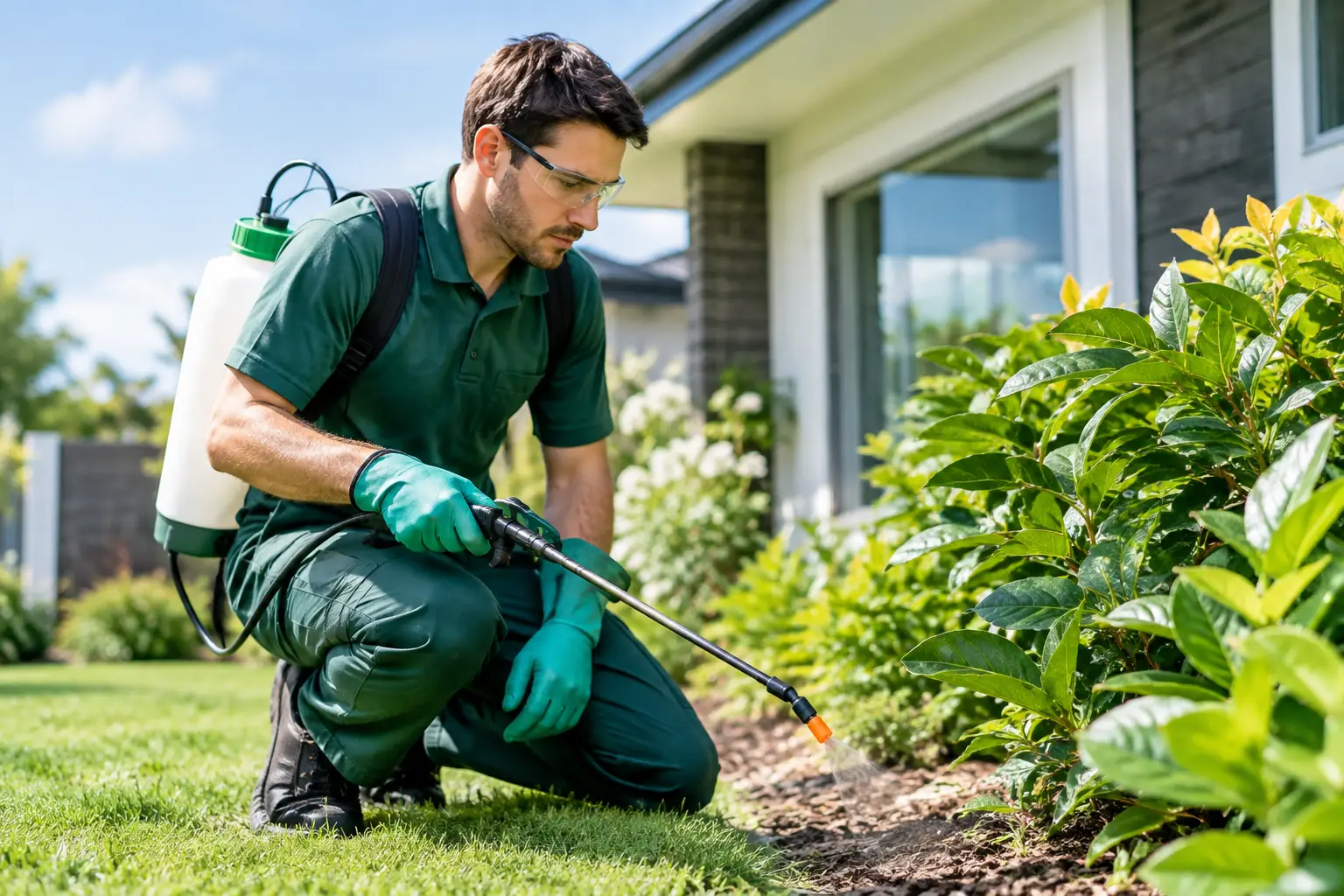
A line of ants across the kitchen bench, scratching in the ceiling, or cockroaches appearing after dark can make a clean property feel uncomfortable fast. Eco-friendly pest control Auckland property owners can rely on is not about ignoring the problem or hoping it disappears. It is about dealing with pests decisively while taking sensible care around children, pets, customers, staff, gardens and the wider environment.
For Auckland homes and businesses, the best approach starts with prevention and uses targeted treatment only where it is needed. That means fewer unnecessary chemicals, clearer advice and a property that stays cleaner, safer and easier to manage.
What eco-friendly pest control Auckland involves
Eco-friendly pest control is a practical, prevention-first way of managing unwanted pests. Rather than treating every issue with a broad spray, a professional assesses what is attracting the pest, where it is entering and how established the activity is. The treatment plan can then focus on the source.
In many cases, that means improving sanitation, reducing moisture, sealing gaps and removing food sources before considering treatment. If a product is required, the aim is to use an appropriate, targeted option in the right place and quantity, following the product label and safety guidance.
This approach is often called integrated pest management. It is especially useful in Auckland, where changing weather, humid conditions and dense urban living can create ideal conditions for ants, flies, cockroaches, rodents and fleas. A one-off treatment may be suitable for a contained problem, but recurring activity usually needs a closer look at the conditions around the property.
Why prevention matters as much as treatment
Pests need food, water, shelter and access. Remove one or more of those essentials and you make your property far less appealing. This is why a clean, well-maintained home or workplace is one of the strongest forms of pest control.
Food crumbs beneath appliances, overflowing rubbish bins, pet bowls left outside overnight and poorly stored pantry goods can attract ants, cockroaches and rodents. Leaking taps, blocked gutters, damp subfloors and standing water can support mosquitoes, flies and cockroaches. Overgrown areas close to the building can also create cover for rodents and insects.
For landlords, property managers and business owners, prevention protects more than comfort. A pest issue can affect hygiene standards, tenant satisfaction, customer confidence and the condition of the building itself. Rodents can damage insulation, wiring and stored goods, while persistent cockroach activity should be handled promptly in any food-preparation or shared workplace area.
A practical routine helps keep problems from building up:
- Store dry food in sealed containers and clean up spills quickly.
- Keep indoor and outdoor bins covered, emptied regularly and clean around the base.
- Repair drips, clear gutters and address pooling water near the property.
- Seal obvious gaps around pipes, vents, doors and utility entries.
- Keep garden waste, stacked timber and dense planting away from exterior walls.
These steps will not solve every infestation, but they make professional treatment more effective and can reduce the need for repeat visits.
The right method depends on the pest
There is no single green solution for every pest. What works for ants is different from what works for rodents, and a flea problem needs a different response again. A reliable provider should explain the likely cause, the treatment method and any preparation or aftercare required.
Ants and cockroaches
Ants often follow tiny food traces into kitchens, bathrooms and offices. Cleaning surfaces, removing sweet spills and closing access points are essential, but nests can be difficult to locate. Targeted baiting can be more effective than spraying visible trails because worker ants carry bait back to the colony.
Cockroaches favour warmth, moisture and hidden spaces around appliances, cupboards and plumbing. A thorough clean is part of the job, particularly behind fridges and ovens where grease and crumbs collect. Targeted gel baits, monitoring and exclusion methods may be appropriate, depending on the species and the level of activity.
Rodents
Seeing one rat or mouse does not always tell you how extensive the issue is. Droppings, gnaw marks, greasy rub marks and noises in walls or ceilings are often better indicators. Rodent control should combine secure trapping or bait stations where appropriate with proofing work to close entry points.
This is an area where placement matters. Any control method must be managed carefully around pets, children and non-target wildlife. Removing accessible food sources and keeping outdoor areas tidy is just as important as treatment.
Fleas, flies and mosquitoes
Flea control usually involves the pet, the indoor environment and outdoor resting areas. Treating only the carpet may provide short-term relief, while leaving the source untouched. A vet can advise on pet treatment, while cleaning, vacuuming and targeted property treatment help break the flea life cycle.
Flies and mosquitoes are often linked to waste, drains and standing water. For homes, regular bin cleaning and removing water from pots, trays and blocked drains can make a noticeable difference. For commercial sites, particularly hospitality venues and shared offices, a consistent cleaning and waste-management routine is vital.
Spiders and wasps
Most spiders are best managed by reducing webs, clutter and insect prey around the property. However, nests in difficult locations or recurring spider activity may need professional attention. Wasps can become aggressive when disturbed, so do not attempt to remove an active nest without the right equipment and advice.
Safer choices still need professional care
“Natural” does not automatically mean harmless. Essential oils, powders and household remedies are often promoted as pest solutions, but they can be ineffective against established infestations and may still irritate people, pets or plants if misused.
The safer choice is a measured one: identify the pest correctly, choose the lowest-impact effective method and apply it carefully. For a serious or persistent issue, DIY products can sometimes push pests deeper into walls, spread activity to new areas or delay a proper solution.
Before any treatment, tell your provider about children, pets, allergies, fish tanks, vegetable gardens, beehives and any sensitive areas on site. Ask what preparation is needed, whether rooms need to be vacated and when it is safe to return. Clear instructions are part of a responsible service, not an optional extra.
Pest control works better with property care
Pest prevention is closely connected to cleaning, gardening and general maintenance. A gutter full of leaves can hold moisture. A damaged flyscreen can create easy entry. Rubbish left beside a shed, long grass near a fence line or a poorly sealed exterior vent can all give pests a foothold.
That is why it helps to look beyond the immediate pest. Regular house cleaning removes food residue and hiding spots. Gutter cleaning supports drainage. Lawn mowing, hedge trimming and green-waste removal reduce sheltered areas around the property. Small repairs such as replacing weather seals or fixing a leaking pipe can stop a recurring issue at its source.
For busy households, landlords and facilities teams, coordinating these tasks through one dependable provider saves time and helps nothing get missed. EcoSparks can support Auckland properties with practical cleaning, outdoor care and pest-control services designed to keep every corner looking cared for.
When to call for help
Book professional help promptly if you see rodent droppings, repeated cockroach activity, chewed wiring, a wasp nest, bites that may be linked to fleas, or pests returning after you have cleaned and sealed obvious access points. Early action is usually simpler than waiting for the problem to spread.
If you are preparing a rental for new tenants, opening a commercial space, moving house or managing a property with regular foot traffic, prevention is worth scheduling rather than leaving until there is an infestation. A clean, dry, well-maintained property gives pests fewer reasons to stay – and gives the people using it more confidence in the space.
A good pest-control plan should leave you with more than fewer pests. It should give you clear next steps, safer habits and a property that feels fresh, healthy and ready to sparkle.