
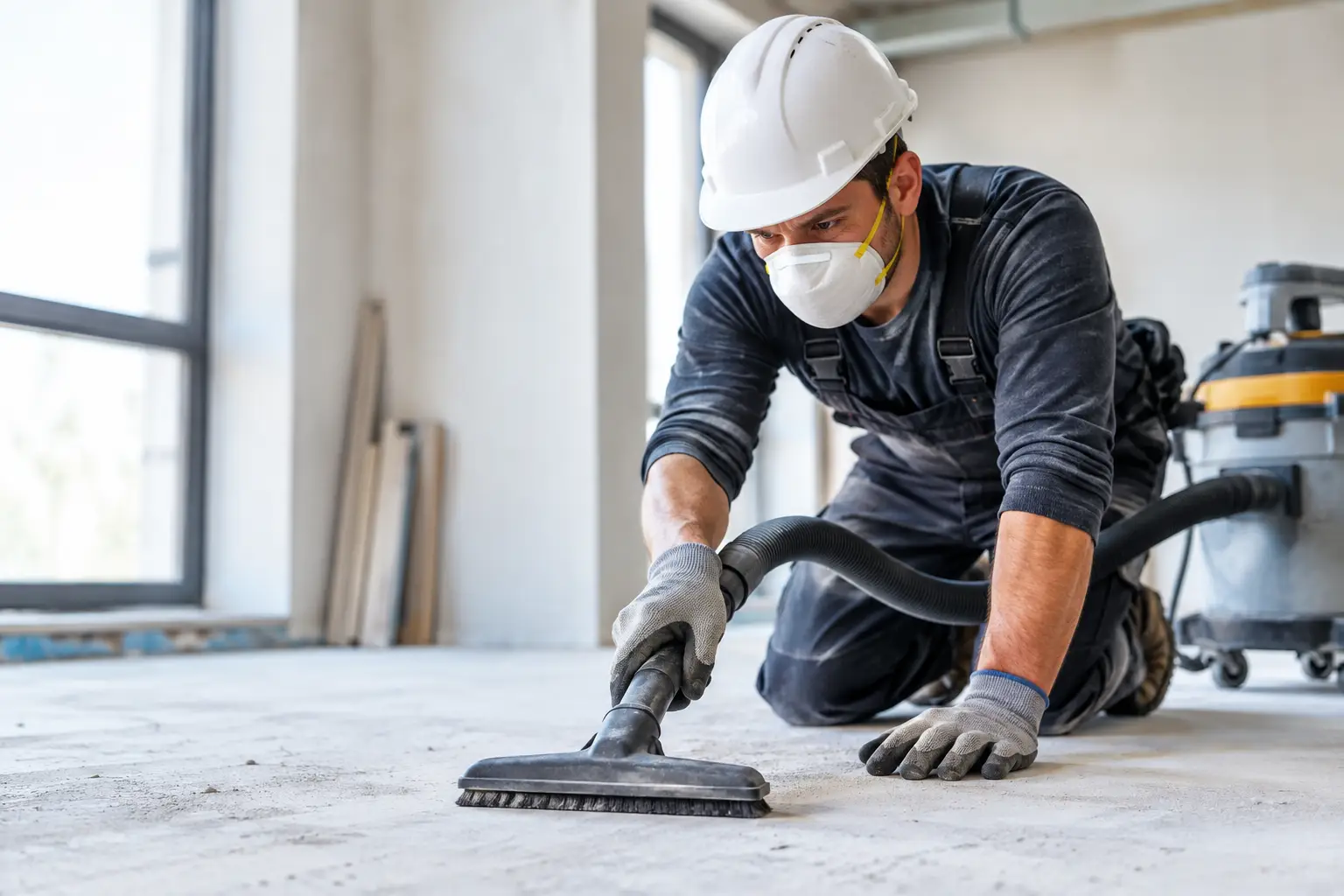
A renovation can look finished while the property still feels far from ready. Fine powder settles on window sills, inside cupboards, across skirting boards and through carpet fibres long after the trades have packed up. Professional construction dust removal tackles that last, critical layer of work so your Auckland home, tenancy or workplace is clean, comfortable and ready to enjoy.
Building dust is not ordinary household dust. It travels easily, clings to surfaces and can quickly reappear if the first clean is rushed. Whether you have completed a kitchen upgrade, a full new build, office fit-out or bathroom renovation, the right post-construction clean protects the presentation of the work you have paid for.
Why construction dust needs more than a quick vacuum
Plasterboard dust, sawdust, concrete residue, grout haze and paint particles are extremely fine. A standard wipe-down can move these particles from one surface to another rather than remove them properly. Vacuuming without suitable filtration may also release fine dust back into the room.
The issue is not only appearance. Dust can affect indoor comfort, especially for people with asthma, allergies or respiratory sensitivities. It can settle in air-conditioning vents, coat newly installed fixtures and dull glass, flooring and cabinetry. For commercial spaces, it can leave the wrong first impression on staff, clients and prospective tenants.
A proper clean works from high to low and from dry removal to detailed surface cleaning. That order matters. Cleaning a benchtop before dusting ceiling fixtures, for example, simply creates extra work when dust falls again.
What professional construction dust removal should cover
Every project is different. A small internal renovation may need detailed cleaning in two or three rooms, while a new build may require a full-property clean inside and out. The scope depends on the type of building work, how well the work zone was contained and whether the property is occupied during the project.
A thorough service commonly begins with the removal of loose dust from ceilings, walls, light fittings, ledges, vents, skirting boards and door frames. Floors are then carefully vacuumed using appropriate equipment before being mopped or treated according to their surface type.
Kitchens, bathrooms and joinery
Fine dust has a habit of finding its way into every drawer, cupboard, shelf and corner of new joinery. These areas need to be cleaned inside and out, with attention to handles, hinges, splashbacks, taps and benchtops. Protective films, stickers and minor installation residue may also need removal, provided the surface is suitable.
In bathrooms, cleaners should focus on tiles, shower glass, mirrors, vanity units, toilets and fittings. Grout haze, silicone smears and construction marks require care. Aggressive products or rough scrubbing can damage fresh finishes, so the cleaning approach should match the material.
Glass, frames and detailed finishes
New windows and doors can be covered in dust even when they look clear at first glance. Window tracks, frames, sills and glass all need attention for a polished result. Paint splatters, adhesive residue and cement marks should never be scraped carelessly, particularly from glass, aluminium frames or newly painted surfaces.
The final details make a genuine difference: switches, power points, internal doors, wardrobes, handrails, stair treads and baseboards. These are the spots people touch and notice when moving back into a property.
Floors, carpets and soft furnishings
Different flooring needs different treatment. Timber, vinyl, polished concrete, tiles and freshly laid carpet can all be damaged by unsuitable chemicals, excessive water or abrasive tools. Dust is also easily trapped along floor edges and beneath cabinetry.
If carpets were exposed during building work, vacuuming alone may not be enough. Fine particles can work deep into fibres, particularly if workers have walked through the area. A professional carpet clean may be the better option once the surrounding dust has been removed. It depends on the amount of contamination and the carpet manufacturer’s care guidance.
A safer approach to post-build cleaning
The best construction dust removal is methodical, not rushed. It begins with a site check to identify the rooms affected, the surfaces involved and any visible residue that needs specialist care. From there, the team can plan the order of work, protect delicate finishes and make sure no key areas are missed.
For a clean and practical finish, the process should include:
- removal of loose debris and safe bagging of general rubbish
- high-level dusting of ceilings, ledges, vents and fixtures
- detailed cleaning of walls, joinery, fittings, glass and internal surfaces
- filtered vacuuming and suitable cleaning for each floor type
- a final check for dust settlement, fingerprints, marks and overlooked corners
Eco-friendly products can be an excellent choice for general post-build cleaning, particularly in homes with children, pets or occupants moving in soon. However, biodegradable products do not mean one product fits every surface. The right cleaner, dilution and technique still depend on whether you are dealing with natural stone, stainless steel, timber, glass, painted walls or engineered flooring.
When a standard clean is not enough
Some building sites need more than a cleaning team. Loose silica dust, asbestos-containing materials, lead paint dust, mould caused by water damage or unknown chemical residues require specialist assessment and controls. Do not sweep, vacuum or wipe suspected hazardous material without confirming how it should be handled.
The same applies to large quantities of heavy building waste, sharp materials, broken glass, exposed wiring or unsafe access areas. A post-construction cleaner can restore the finished areas, but the site should first be made safe by the appropriate trades or waste-removal provider.
For occupied homes, consider timing carefully. It is often best to schedule the detailed clean after the final sanding, cutting and drilling are complete, then allow a short settling period before the finishing clean. If building work continues after cleaning, fresh dust can undo much of the result.
Getting your property ready for the clean
A little preparation helps the cleaning team achieve more in the booked time. Builders should remove major offcuts, empty product containers, tools and equipment before the cleaners arrive. If possible, make sure power and water are available and identify any surfaces that are newly sealed, painted or still curing.
For landlords and property managers, it helps to clarify whether the clean is for handover, open-home presentation or a tenant move-in. Each outcome has a different priority. Handover cleaning is often about detailed presentation, while a move-in clean should focus closely on hygienic touchpoints, cupboards, bathrooms and floors.
Business owners may need the clean planned around access hours, security requirements and reopening dates. Offices, retail spaces and commercial premises benefit from a clear checklist so reception areas, workstations, staff kitchens, toilets and entry glass are ready for the first day back.
The finish your project deserves
Construction dust can make brand-new work look unfinished, but it does not need to become another job on your list. EcoSparks provides practical post-construction cleaning for Auckland properties, using careful methods, trusted staff and eco-conscious products to bring every room back to a fresh, presentable standard.
When the builders are done, the final clean is what lets the new space shine. Book construction dust removal when the work is truly complete, and give your property the clean start it deserves.